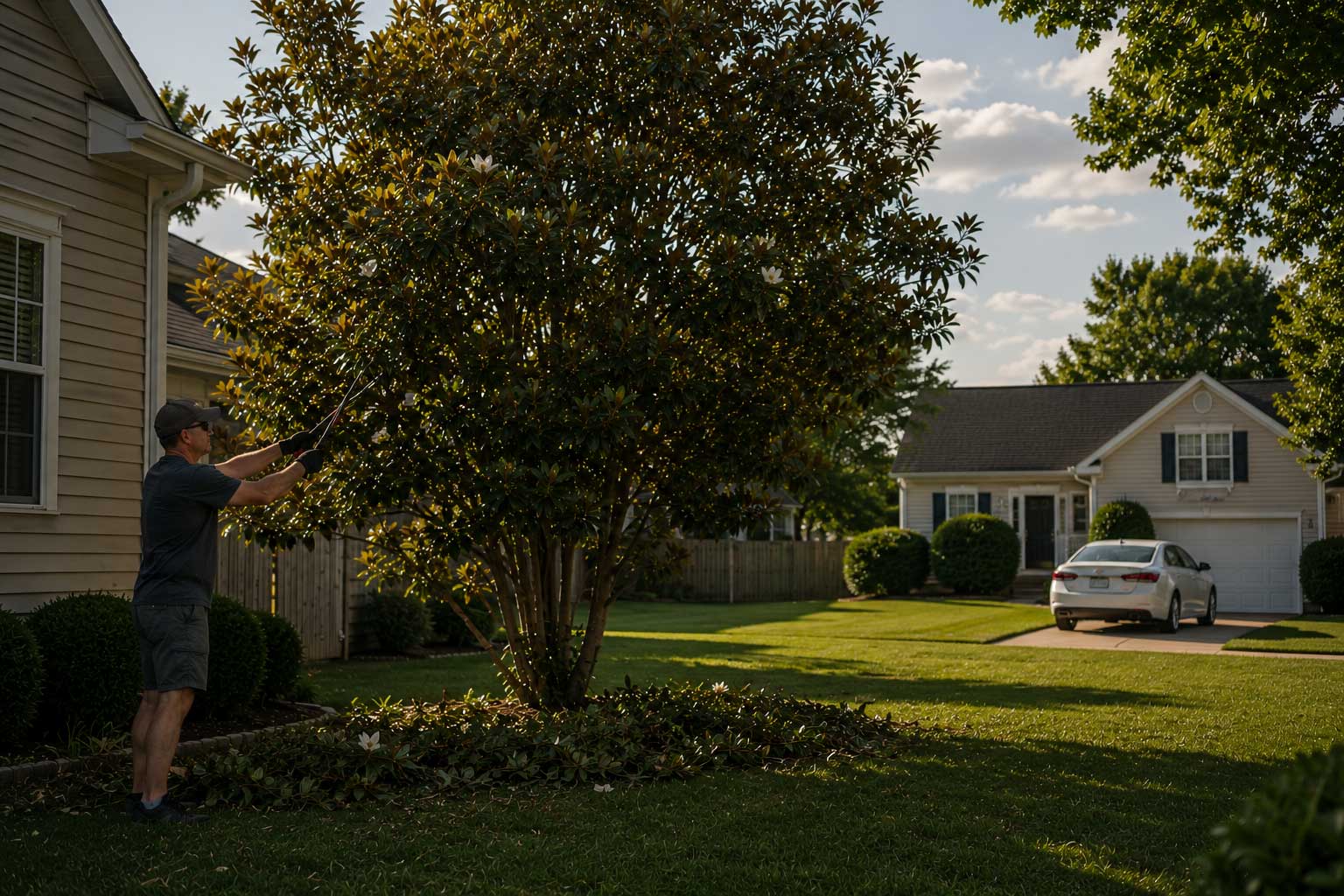
The other afternoon I was in the front yard pruning a tree.
Nothing exciting.
Just one of those homeowner projects that takes longer than expected because every branch leads to three more branches.
It was hot.
Ninety degrees hot.
The kind of Nebraska heat that makes you question every outdoor project you’ve ever started.
About halfway through, I noticed my neighbors pull into their driveway.
The same neighbors from a story I wrote recently.
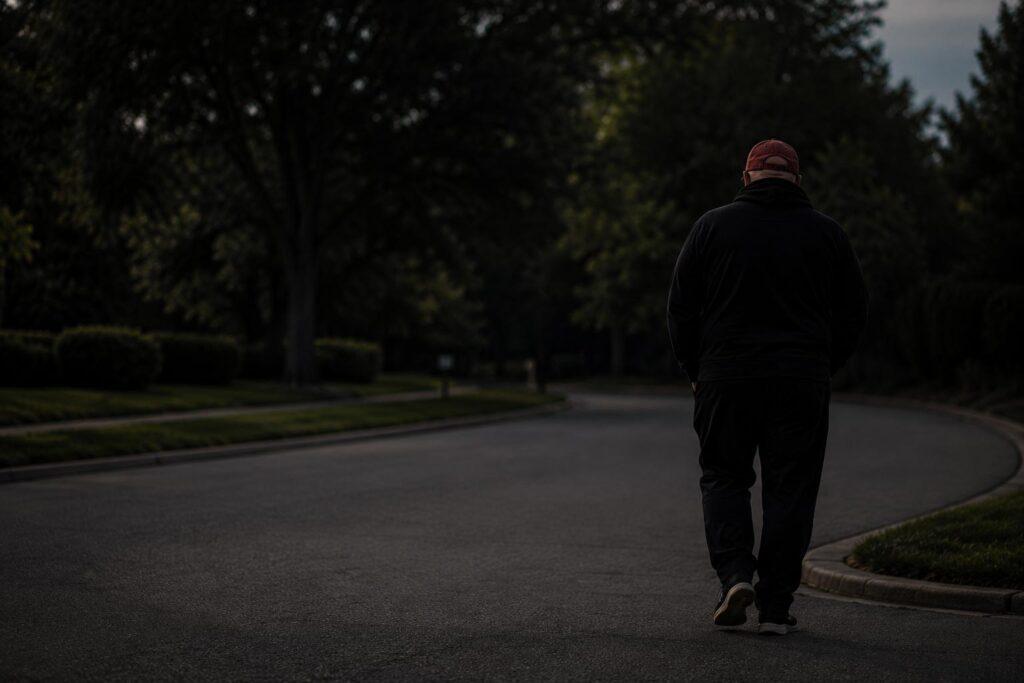
The husband shut off the vehicle.
Then he sat there.
At first I didn’t think much of it.
Maybe he was finishing a phone call.
Maybe he was reading a text.
Maybe he was deciding whether he wanted to carry the groceries in one trip or make two.
We’ve all done that.
So I kept trimming.
Five minutes passed.
Then ten.
Then fifteen.
The car never moved.
Nobody got out.
The engine was off.
The air conditioning was off.
The windows stayed up.
Meanwhile I was still standing in the front yard slowly reducing a perfectly healthy tree into a much smaller version of itself.
Eventually it dawned on me what was happening.
He wasn’t waiting for something.
He was waiting for me.
More specifically, he was waiting for me to stop being visible.
Twenty minutes later, I finished one side of the tree and moved around to the opposite side where the trunk partially blocked the view between our yards.
Almost immediately the car doors opened.
Mission accomplished.
The coast was clear.
The operation was a success.
And I couldn’t stop laughing.
Not because I felt insulted.
Not because I felt angry.
But because the whole thing had become so unbelievably absurd.
Imagine sitting in a parked vehicle for twenty minutes in ninety-degree heat just to avoid the possibility of a casual conversation.
Not an argument.
Not a confrontation.
Not even a conversation, really.
The worst-case scenario was probably a nod and a “how’s it going?”
Yet somehow that possibility was worse than baking inside a parked car.
As I stood there holding a pair of pruning shears, I had a strange realization.
He’s not hurting me.
He’s hurting himself.
I’m not the one carrying this thing around.
I prune the tree.
I go inside.
I eat dinner.
I sleep fine.
Meanwhile he’s still rearranging parts of his life to avoid a neighbor he hasn’t spoken to in years.
That’s a heavy burden to carry.
Especially when you’re the only one carrying it.
The older I get, the more I think resentment works like that.
At first it feels like a weapon.
Then it becomes luggage.
Then eventually it becomes a house you built for yourself.
One room at a time.
And after enough years pass, you forget the door was never locked.
You could have left whenever you wanted.
Where this story leads next…
The man who couldn’t drive past our house
The summer Coach Andrews earned his paycheck
All the hours we didn’t count
If this resonated with you, you’re not alone.